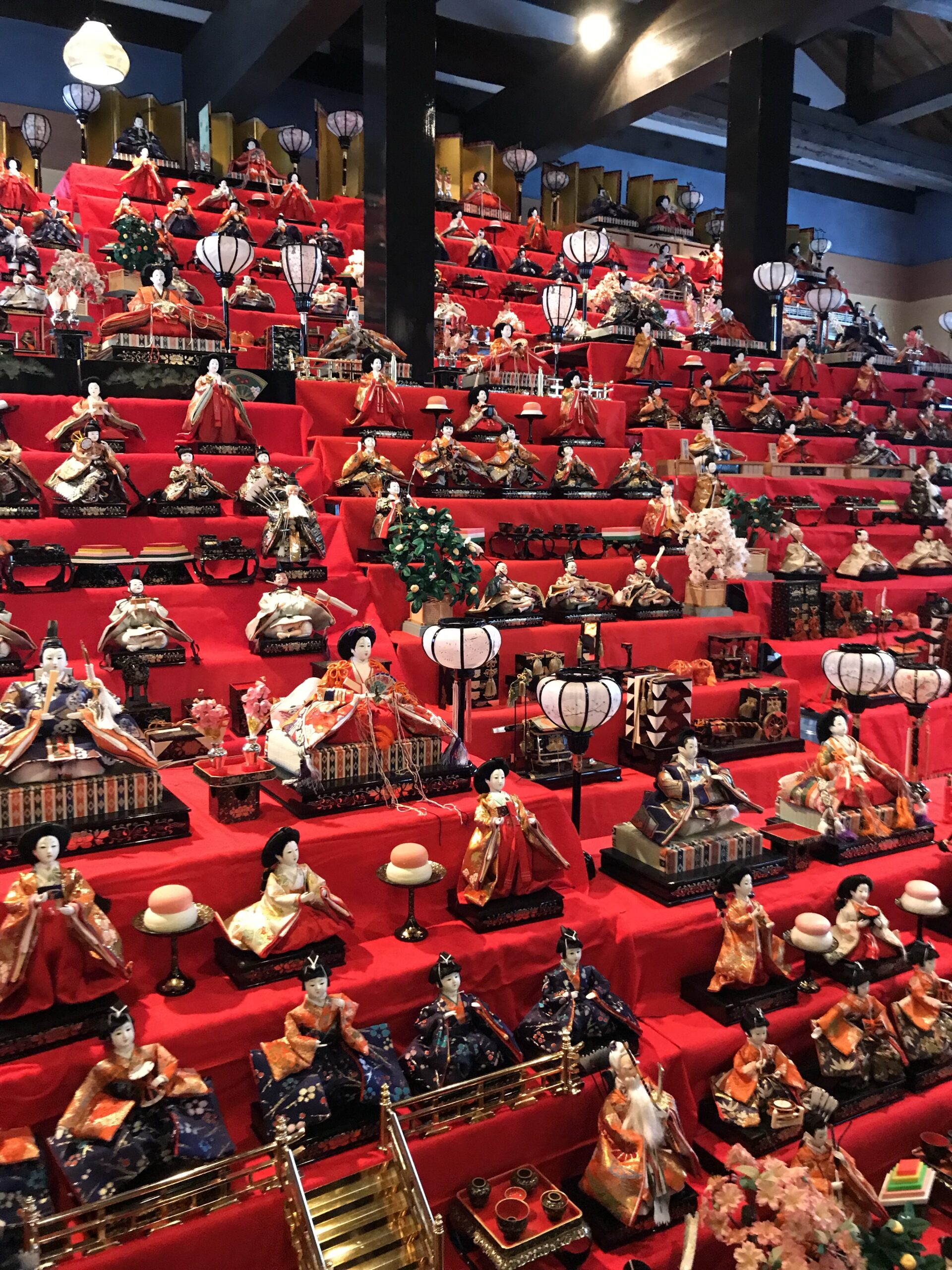
Every doll in a Hina Matsuri display suffers in place of the daughter it protects. Why do the dolls have to be packed away by March 4th? Discover the thousand-year-old Japanese tradition.
The Girls' Festival (Hina Matsuri)
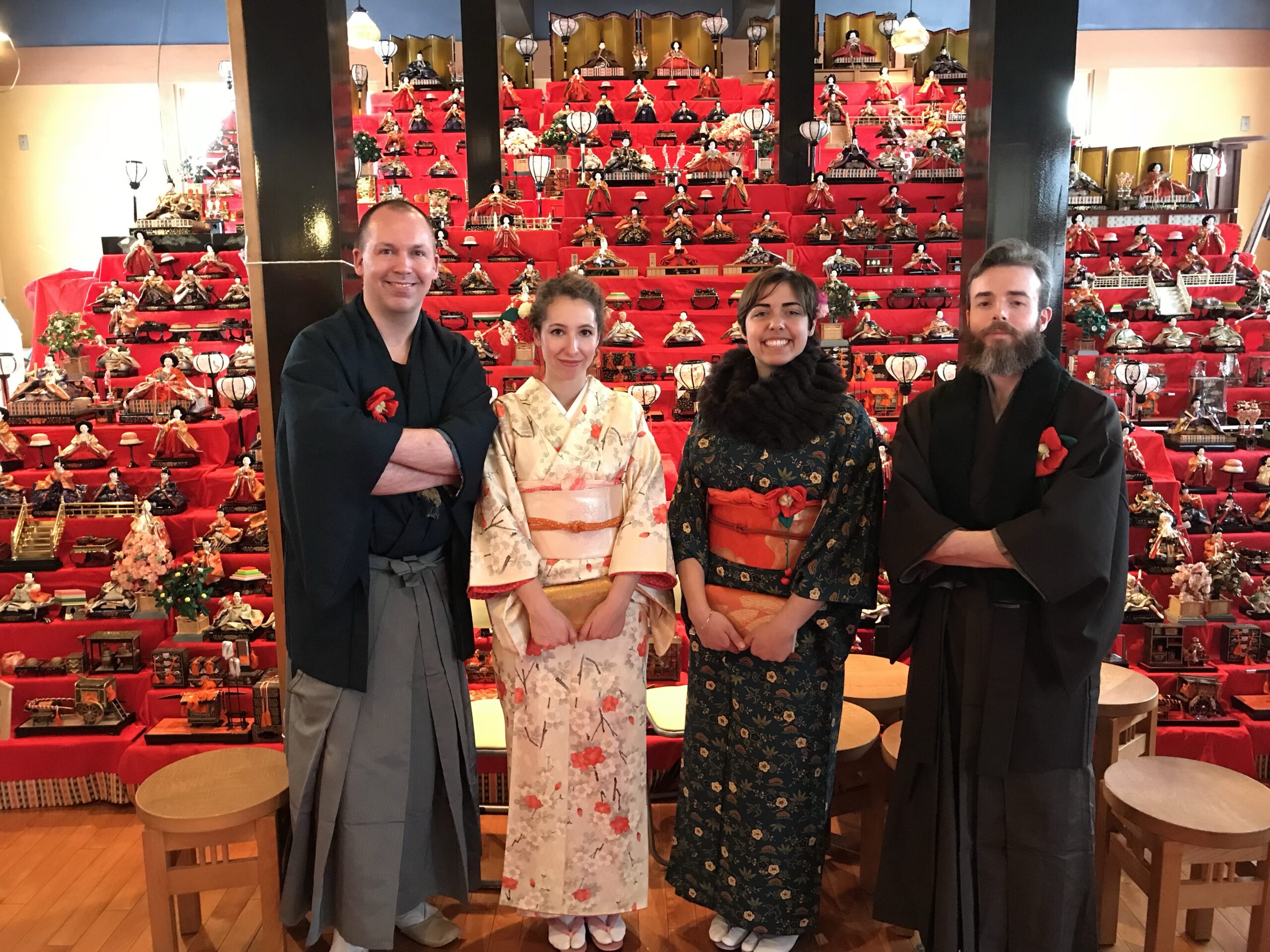
The Japan's Girls' Festival known as Hina Matsuri or the Peach Festival (Momo no Sekku) is celebrated every year on March 3rd. It is a day when families come together to pray for their daughters' health, growth, lasting happiness and good fortune in love and marriage. At its heart is a belief that runs deeper than decoration or food or ceremony. Every doll placed on display carries the weight of a mother's oldest and most instinctive prayer. That her daughter should be spared from suffering. That any misfortune headed toward her child will be absorbed by the dolls instead. In Japanese culture this concept is known as migawari meaning to take another's place in pain and it is the spiritual foundation upon which the entire festival rests.
The centrepiece of Hina Matsuri is the hina ningyo, an elaborate tiered display of dolls modelled on the imperial court of the Heian period. The display traditionally features seven tiers each representing a different rank of the imperial household. At the very top sit the most important figures of all. The Emperor doll known as odairi-sama and the Empress doll known as ohina-sama are dressed in exquisite hand-sewn silk court robes that can take master craftsmen months to complete. Below them sit ladies in waiting, musicians, ministers and palace guards descending in rank and importance all the way to the bottom tier. In many Japanese families these dolls are not purchased new but passed down through generations as precious heirlooms carrying with them the love and prayers of mothers and grandmothers who came before.
Traditional Hina Matsuri foods are as rich in symbolism as the dolls themselves. Hishi mochi are diamond-shaped layered rice cakes that have three colours each carrying a wish for the daughters of the household. Red wards off evil spirits, white represents purity and green symbolises good health also the energy of new life arriving with spring. Hina arare are small coloured rice crackers enjoyed by children throughout the celebration and amazake, a sweet low-alcohol rice wine, is served to mark the occasion. Many families also prepare chirashi-zushi, a beautifully presented scattered sushi dish topped with prawns, lotus root and egg. Each ingredient carries its own quiet wish for a bright and prosperous future.
The origins of Hina Matsuri reach back to the Heian period (794-1185 AD) when the daughters of noble families enjoyed a pastime called hina asobi meaning doll play. Over time this aristocratic tradition merged with an ancient Chinese custom of placing paper dolls on rivers to carry bad fortune away from the home. In Japan this became known as Nagashi-bina or floating dolls and in certain regions of the country girls still write their wishes on small pieces of paper and float them downstream alongside the dolls continuing a custom that has survived for well over a thousand years. By the Edo period (1603-1868) the elaborate tiered displays we recognise today had spread from the noble classes to families across all levels of Japanese society.
So why must the dolls be packed away by March 4th? The answer lies in the very belief that makes the festival so powerful. Because the dolls carry misfortune on behalf of the daughters they protect they must be removed from the home promptly once the festival day has passed. To leave them on display is to invite that absorbed misfortune to linger in the household. Over generations this spiritual caution became attached to a very specific and very human consequence. Families who left their dolls out too long were said to risk their daughters becoming unlucky in love and facing a delayed marriage. Whether one believes in the superstition or not, the tradition of packing the dolls away carefully on the morning of March 4th remains one of the most faithfully observed customs of the entire festival.
The peach blossom was chosen as the symbol of Hina Matsuri because in ancient Chinese tradition the peach was considered a sacred fruit with the power to repel evil spirits and grant longevity. Peach trees blooming in early March made the timing feel natural and inevitable and over centuries the peach became inseparable from the image of the festival itself representing feminine beauty, good health and a long and happy life.
The Boys' Festival and Children's Day
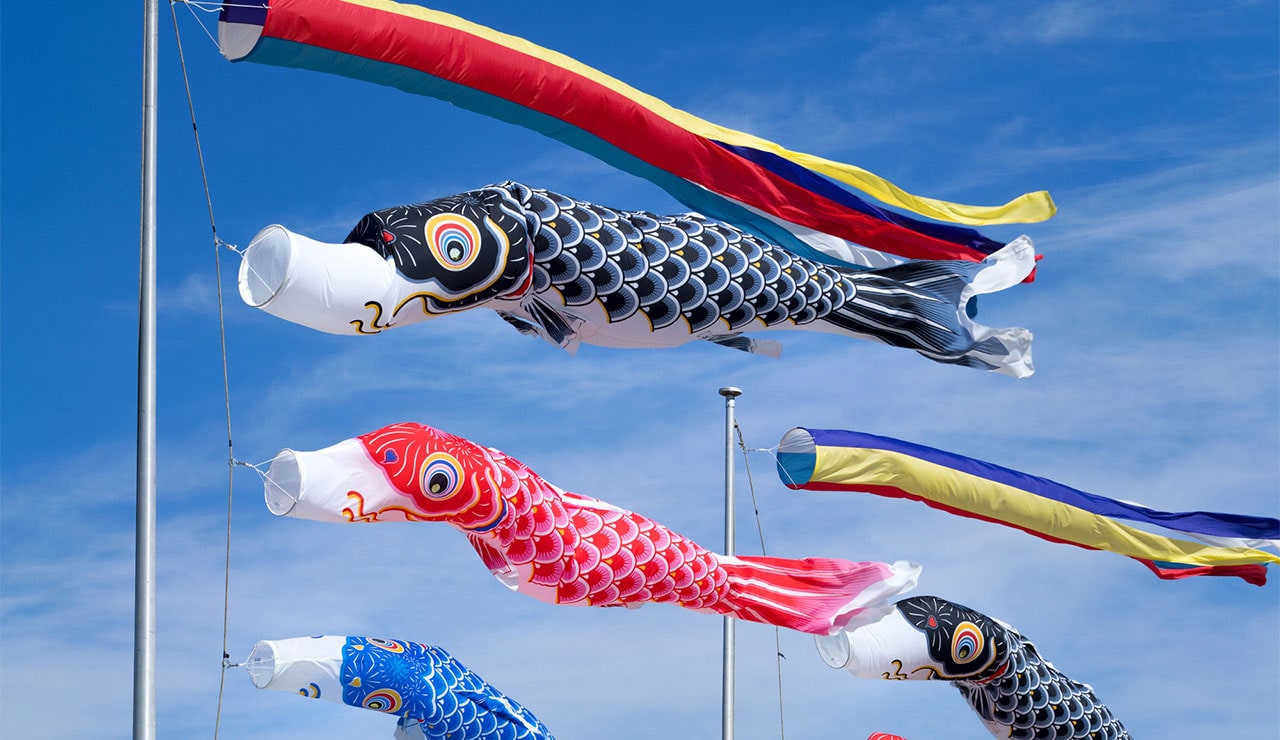
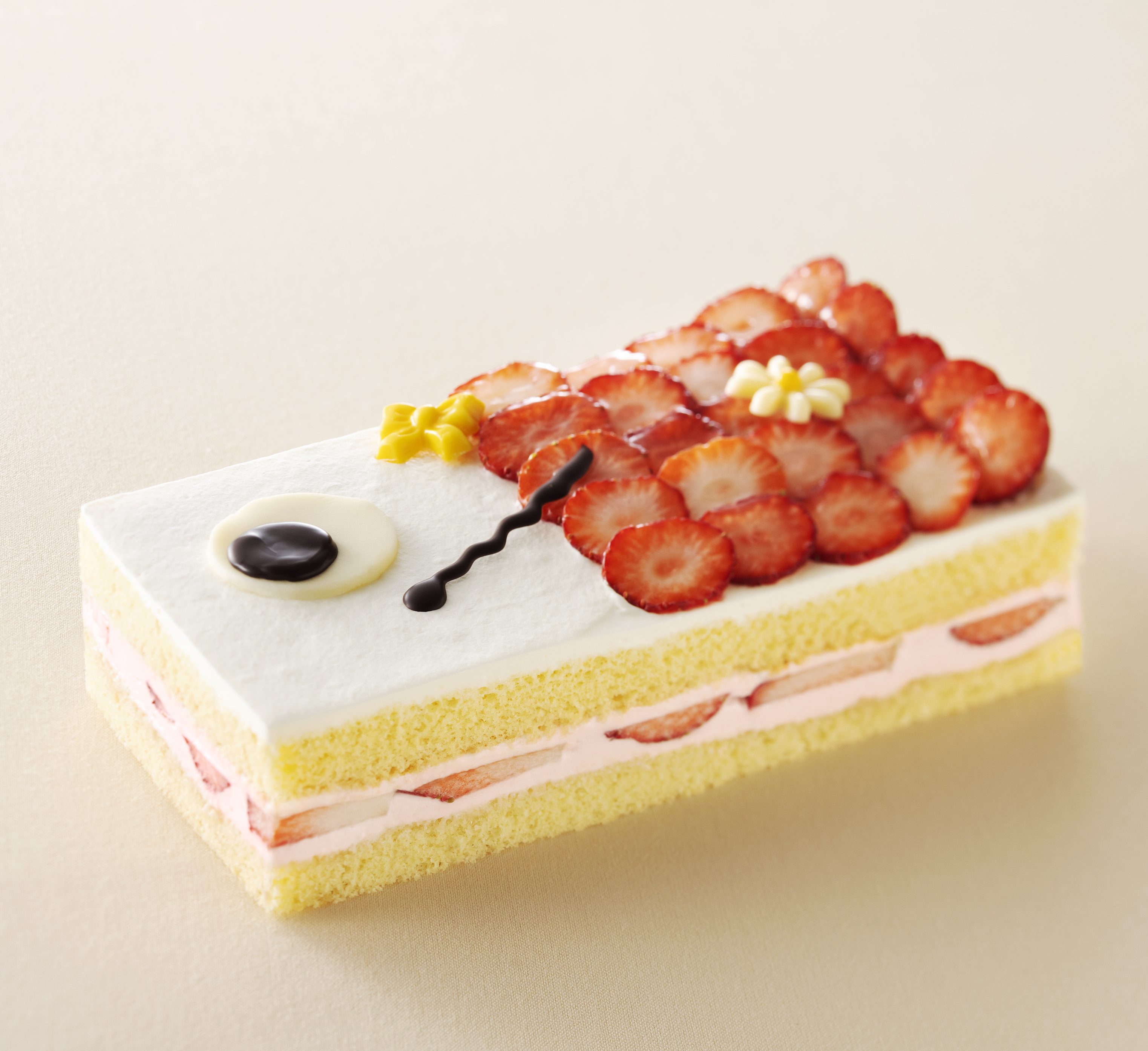
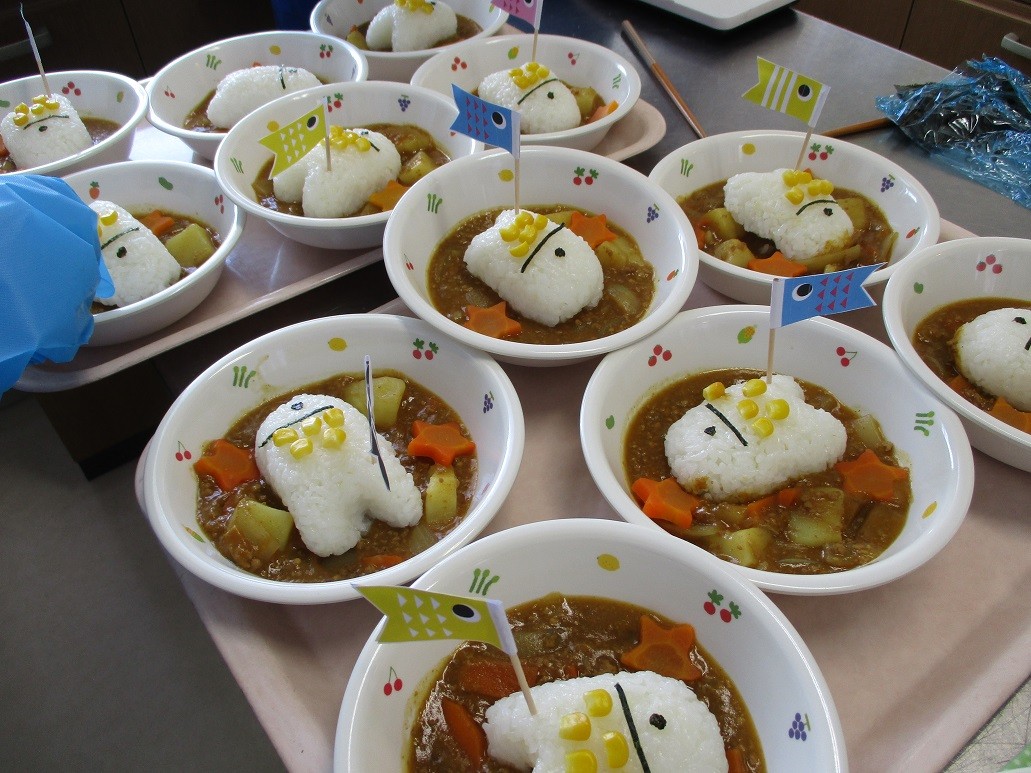
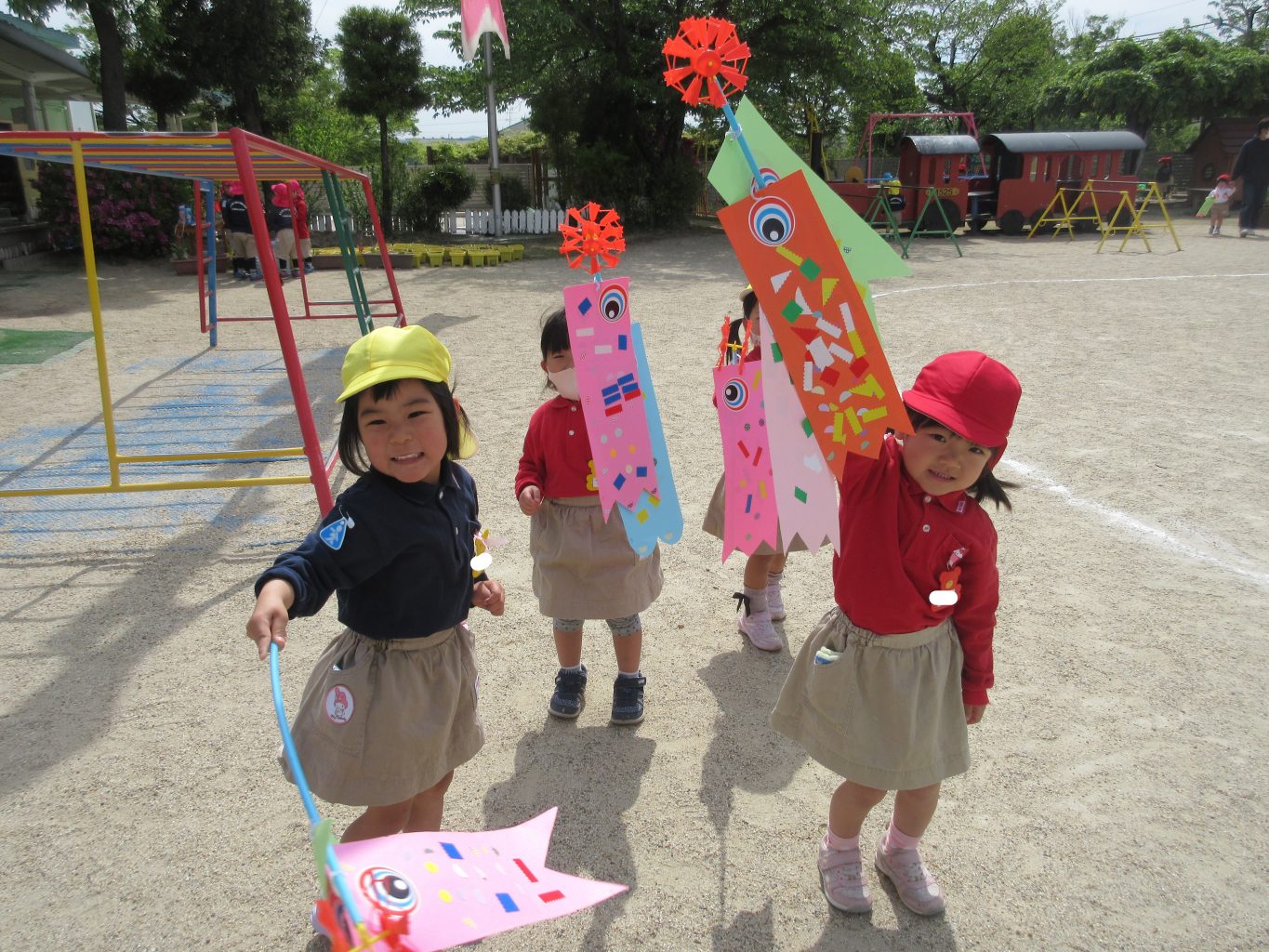
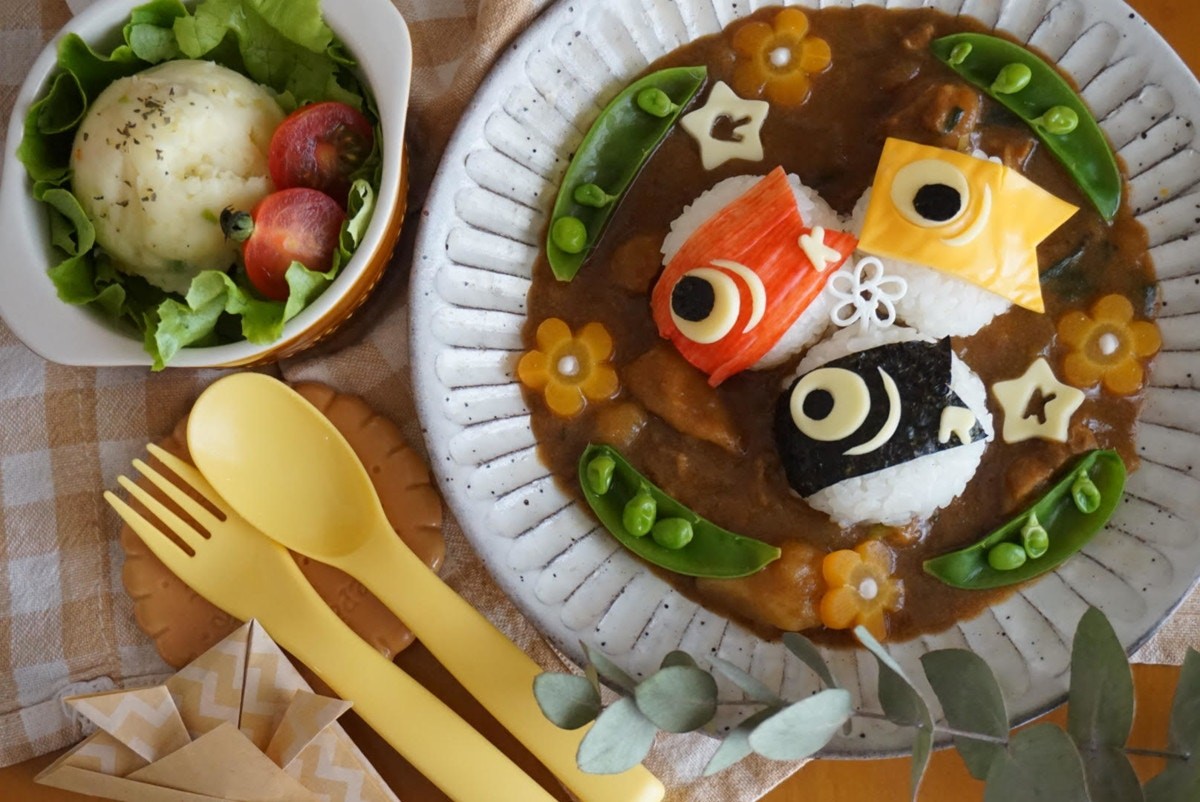
Japan's celebration of children continues on May 5th with Tango no Sekku known officially as Children's Day (Kodomo no Hi) a national public holiday since 1948. Carp streamers known as koinobori are hung outside homes riding the spring breeze with one streamer flown for each child in the family. The carp was chosen from a Chinese legend known as the Dragon Gate (登竜門) in which a carp swam up a raging waterfall and transformed into a dragon, a story that became the perfect symbol of perseverance and the belief that children can overcome any obstacle life places before them.
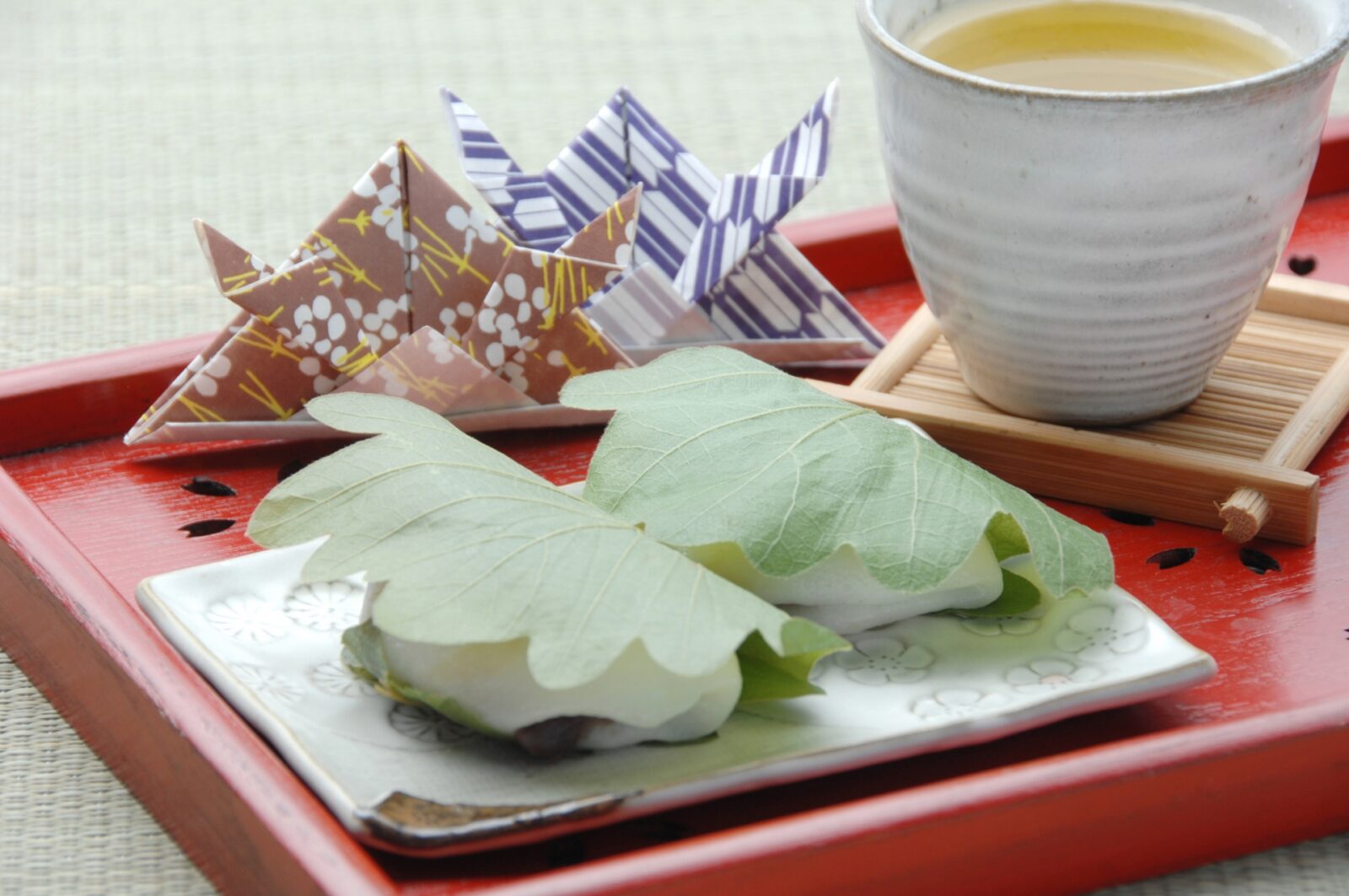
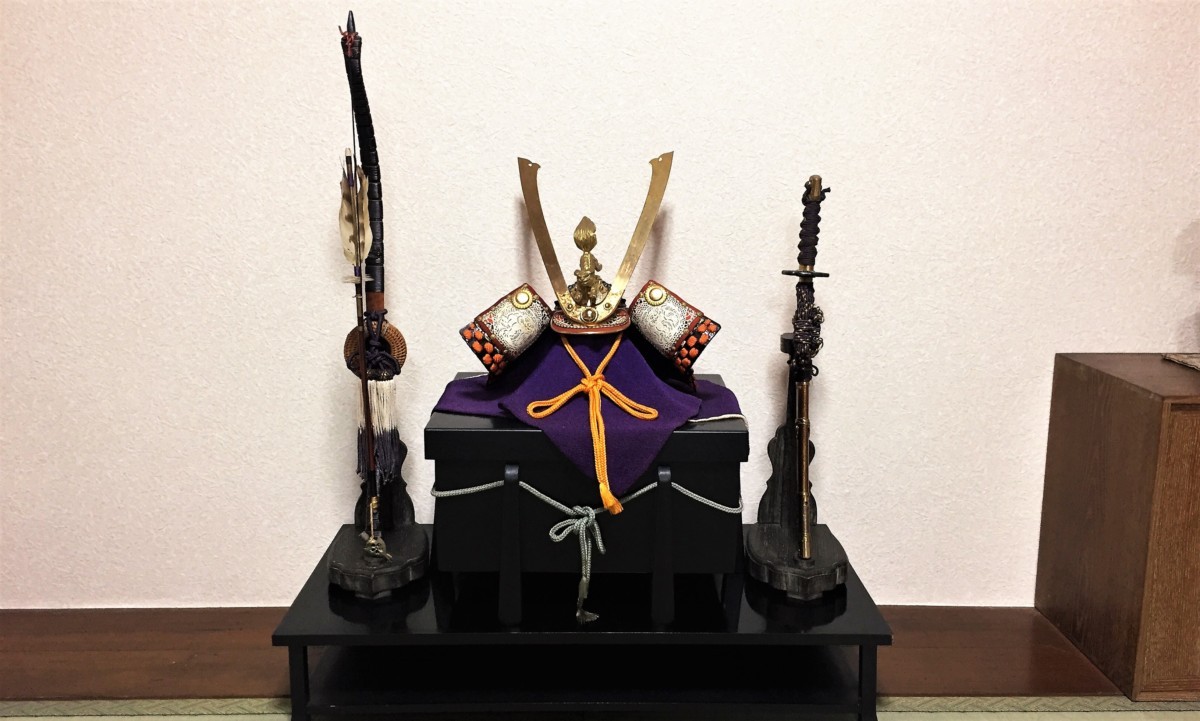
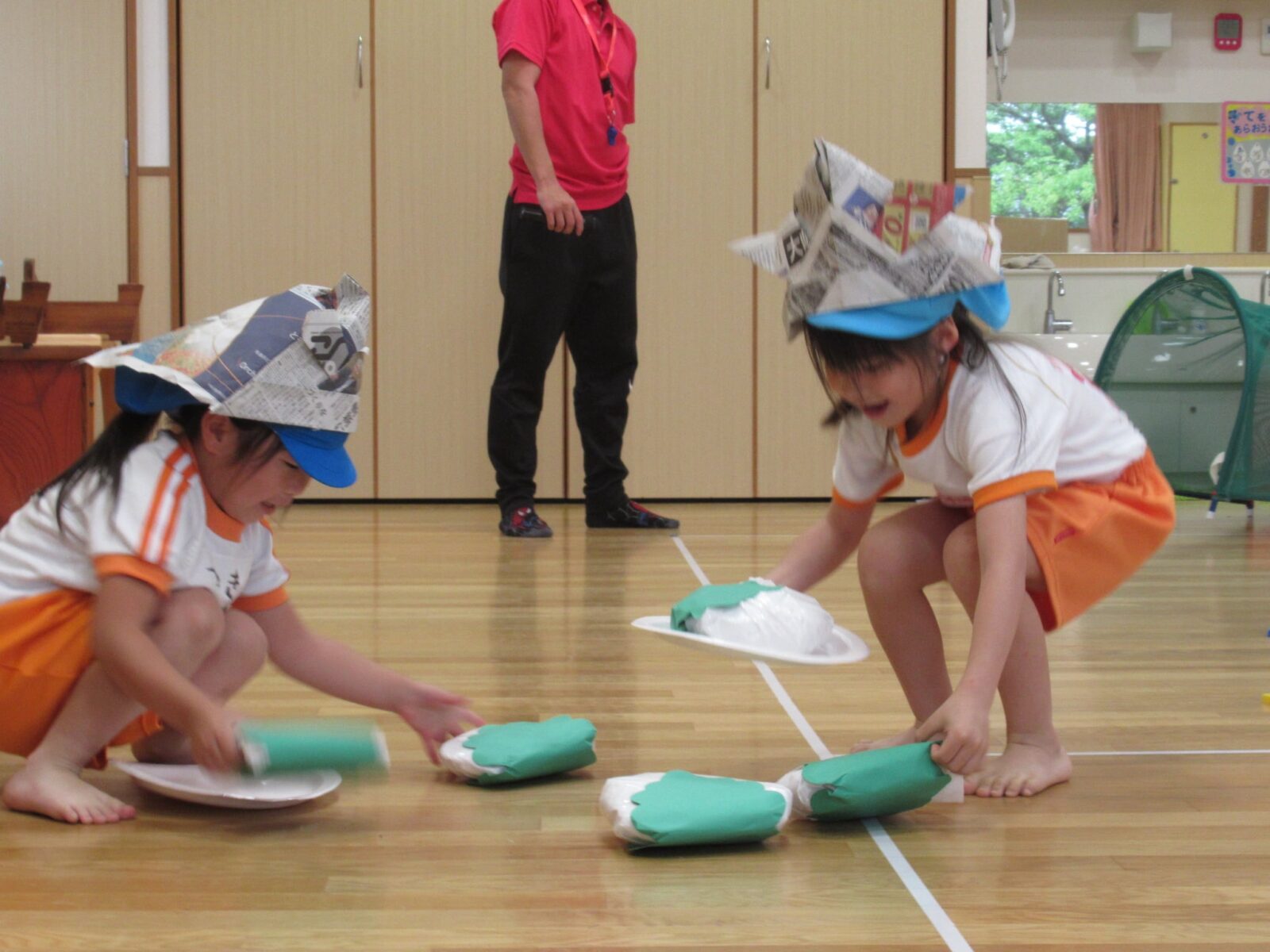
Inside the home samurai dolls and helmets are displayed to symbolise strength and courage. Families take iris root baths known as shobu-yu to ward off illness for the year ahead. The iris was chosen because the Japanese word for iris (菖蒲, shobu) sounds identical to a separate word (尚武) meaning militarism and valour, a piece of wordplay that embedded the flower permanently into Boys' Day tradition. Traditional foods include kashiwa mochi (oak leaf rice cakes) and chimaki (sweet rice dumplings) both carrying wishes for the health and prosperity of the next generation.
Because Children's Day is now an official celebration for all children regardless of gender many modern families find themselves marking both festivals in the same spring. Some choose to display hina dolls and samurai helmets together throughout the year as a proud and living symbol of Japanese family culture. Together Hina Matsuri and Tango no Sekku form a pair of spring celebrations that speak to the very heart of what Japanese family life has always held most dear. The health, happiness and bright future of every child.


Places To Go Or Things To Do In Hokkaido In March











Sightseeing Around Hokkaido, Japan











ログインしているミートミー北海道ユーザーFor Logged In Meet Me Users
この機能を使用するにはログインしてください。Logged Out
 Contact Us
 Get Listed!
 Japanese
 Privacy Policy