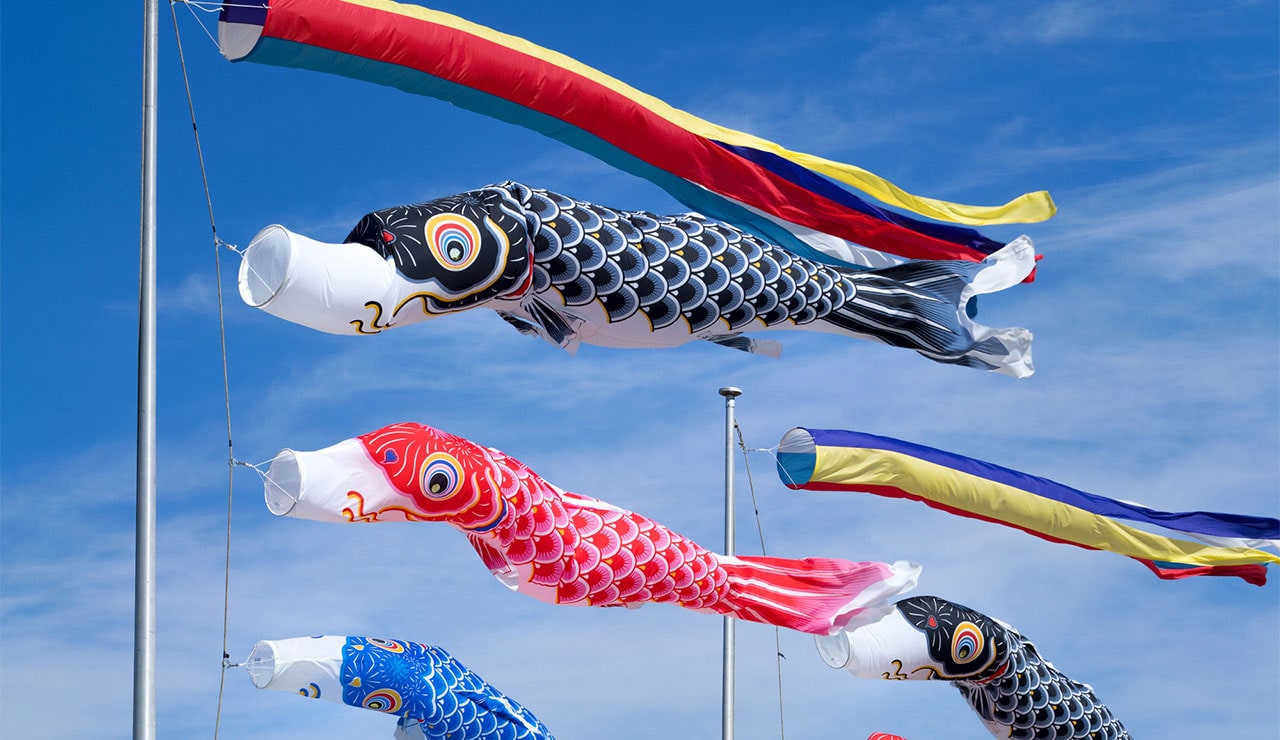
The traditions that celebrate the health and happiness of children in Japan have been passed down for centuries. Understanding their origins reveals the deep meaning behind every decoration, food and custom that families lovingly observe to this day.
Boys' Festival (Children's Day)
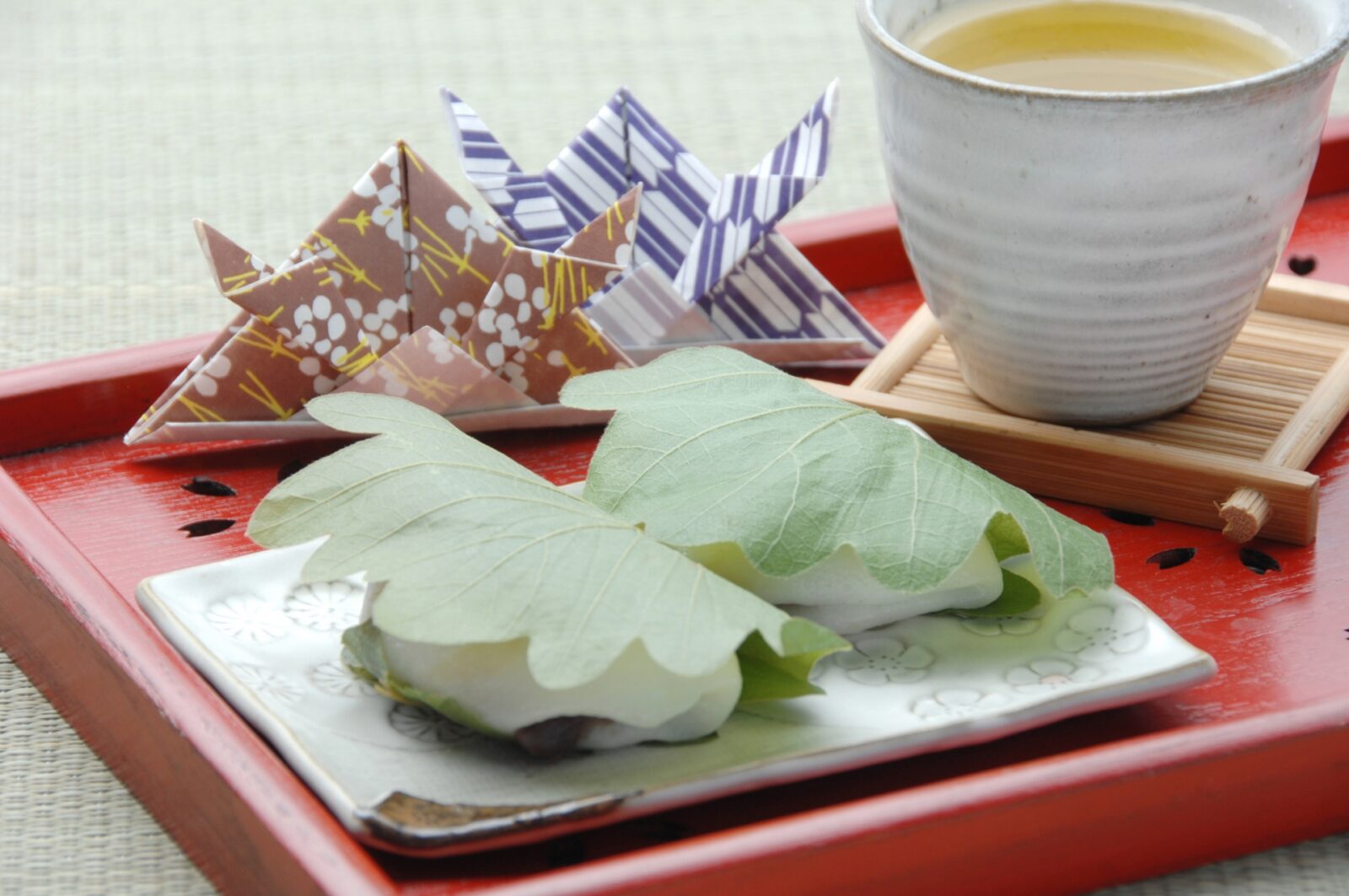
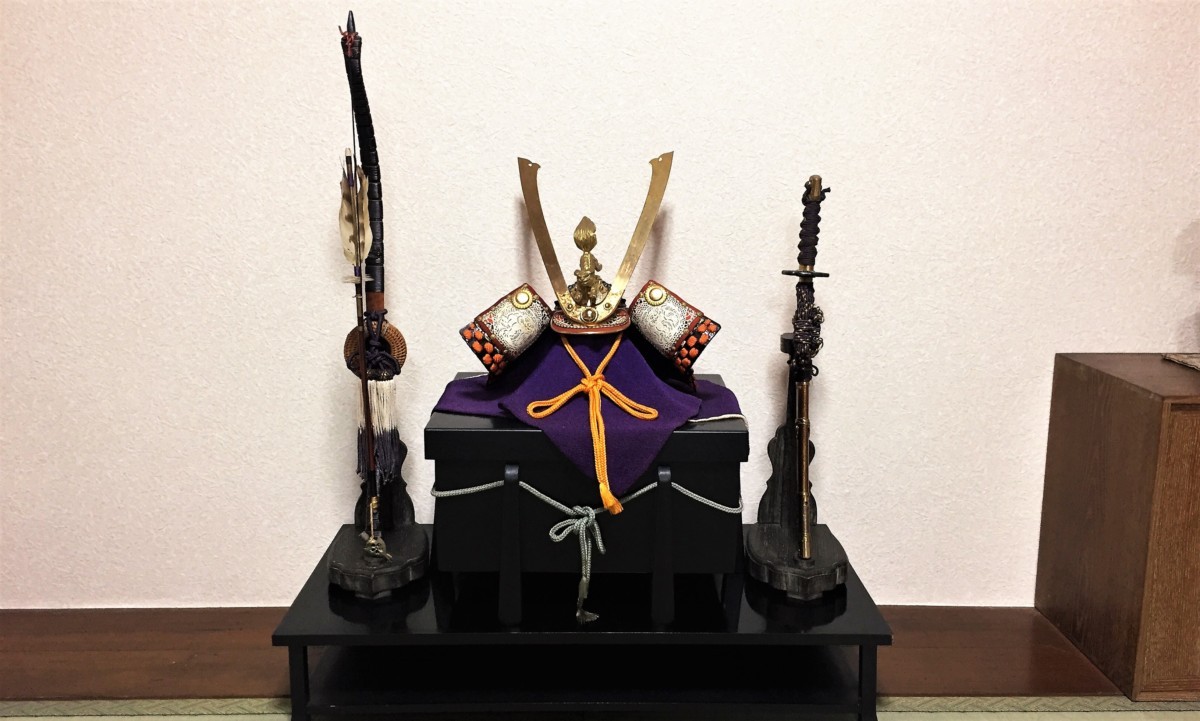
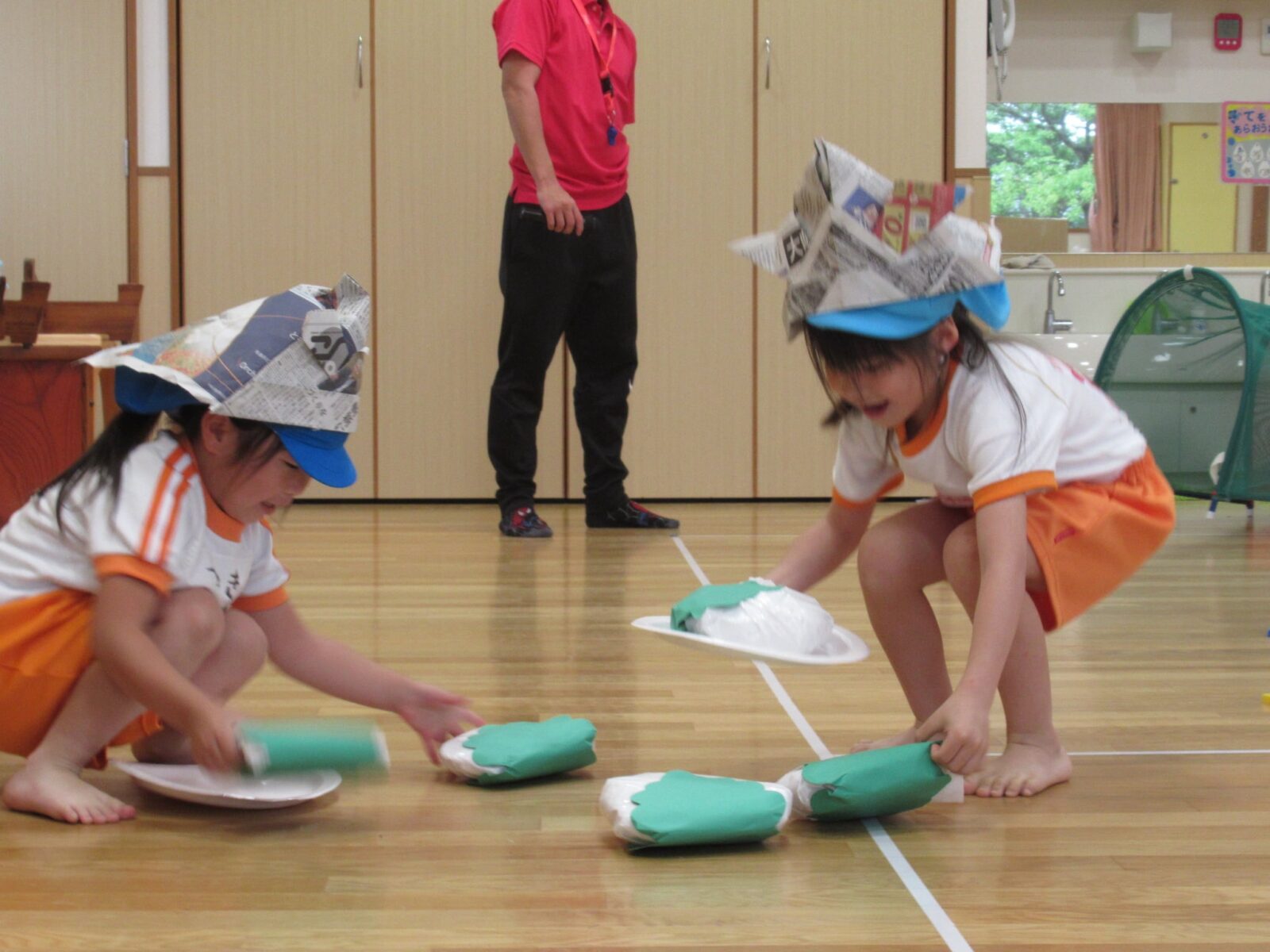
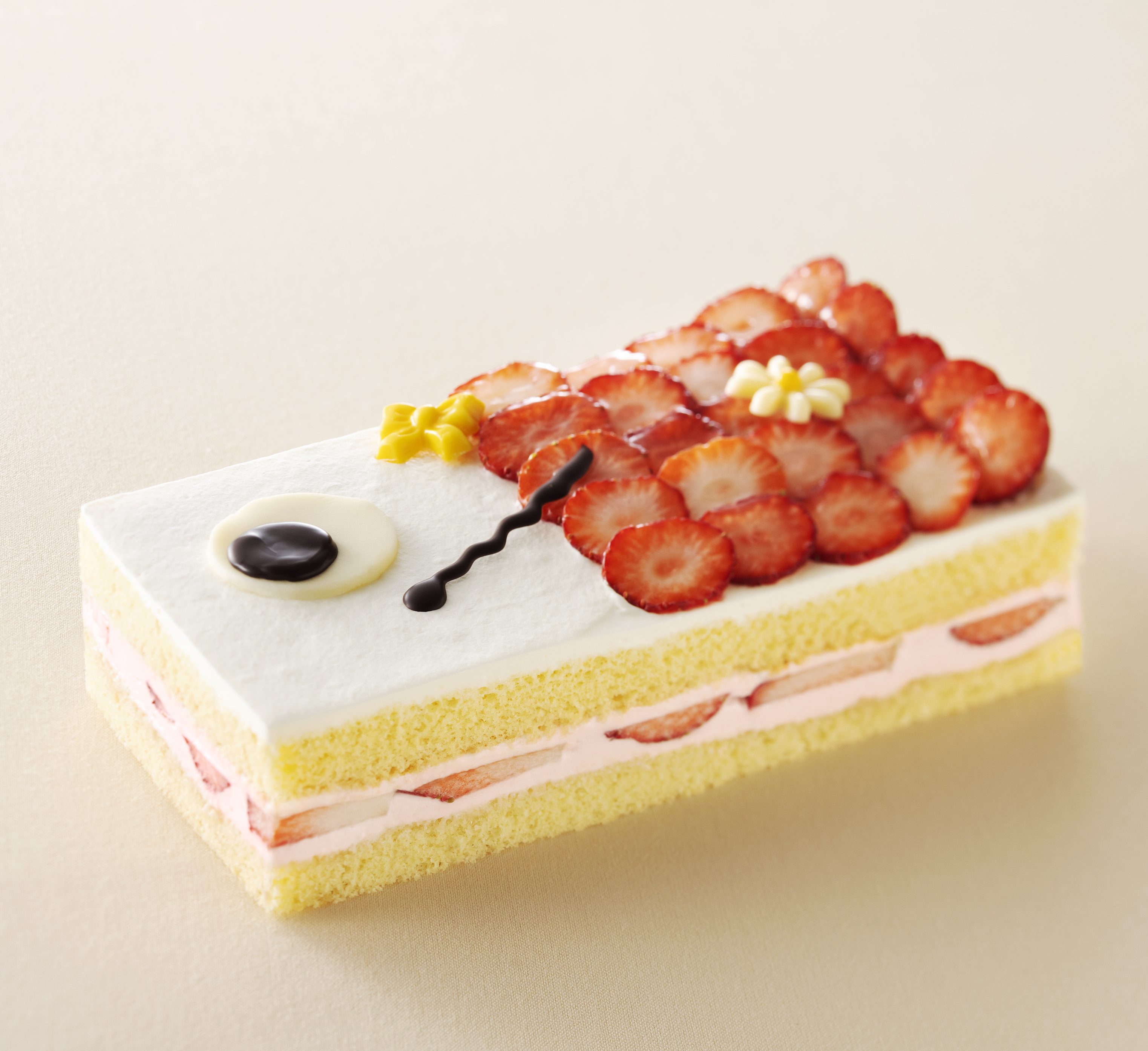
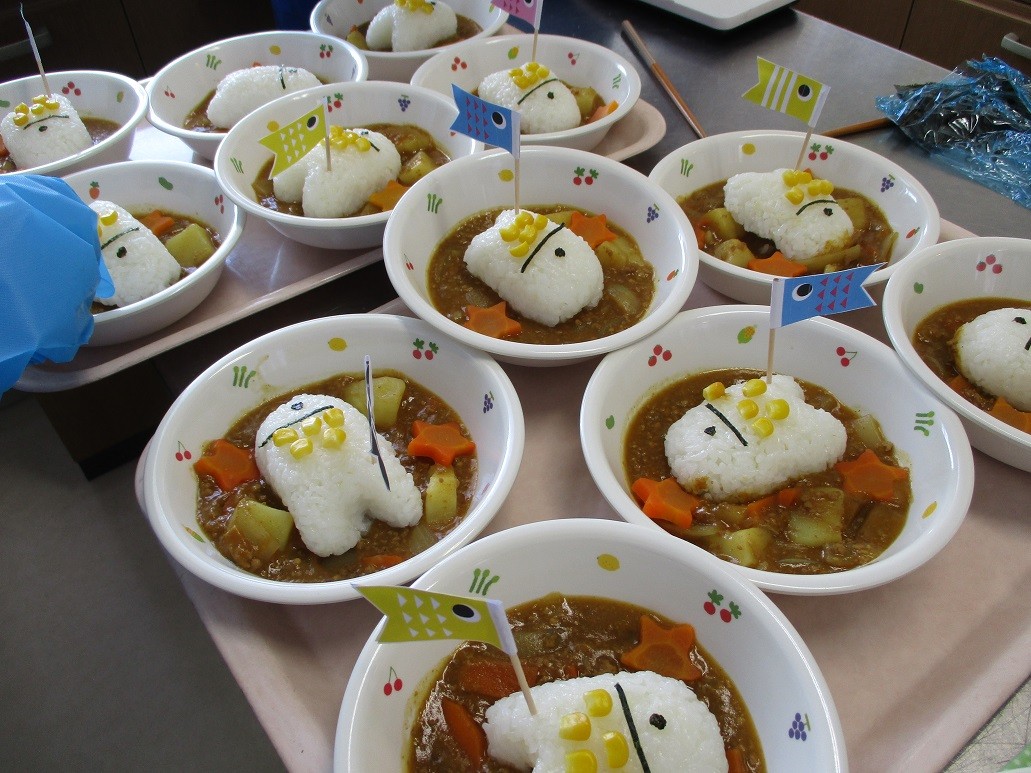
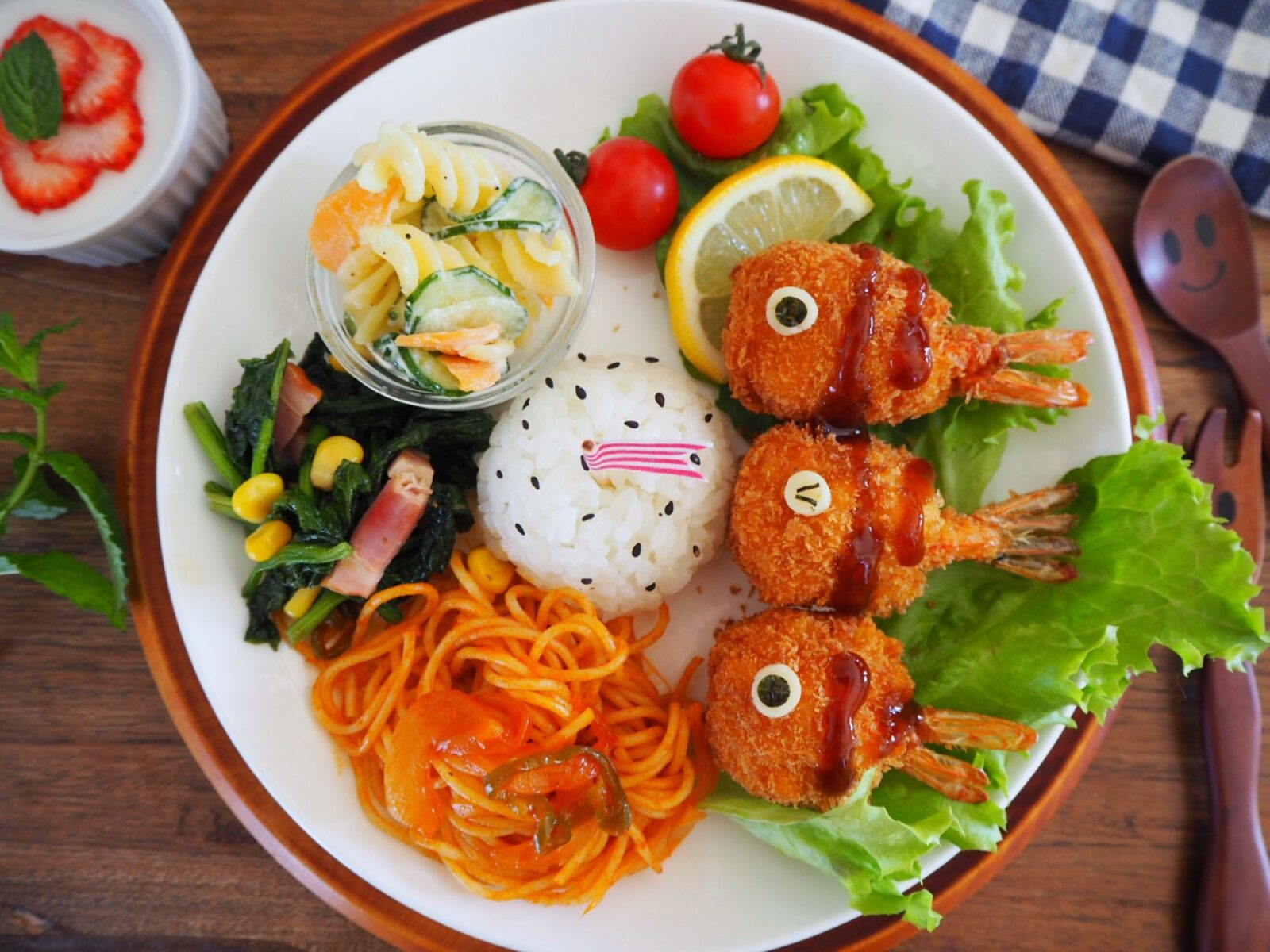
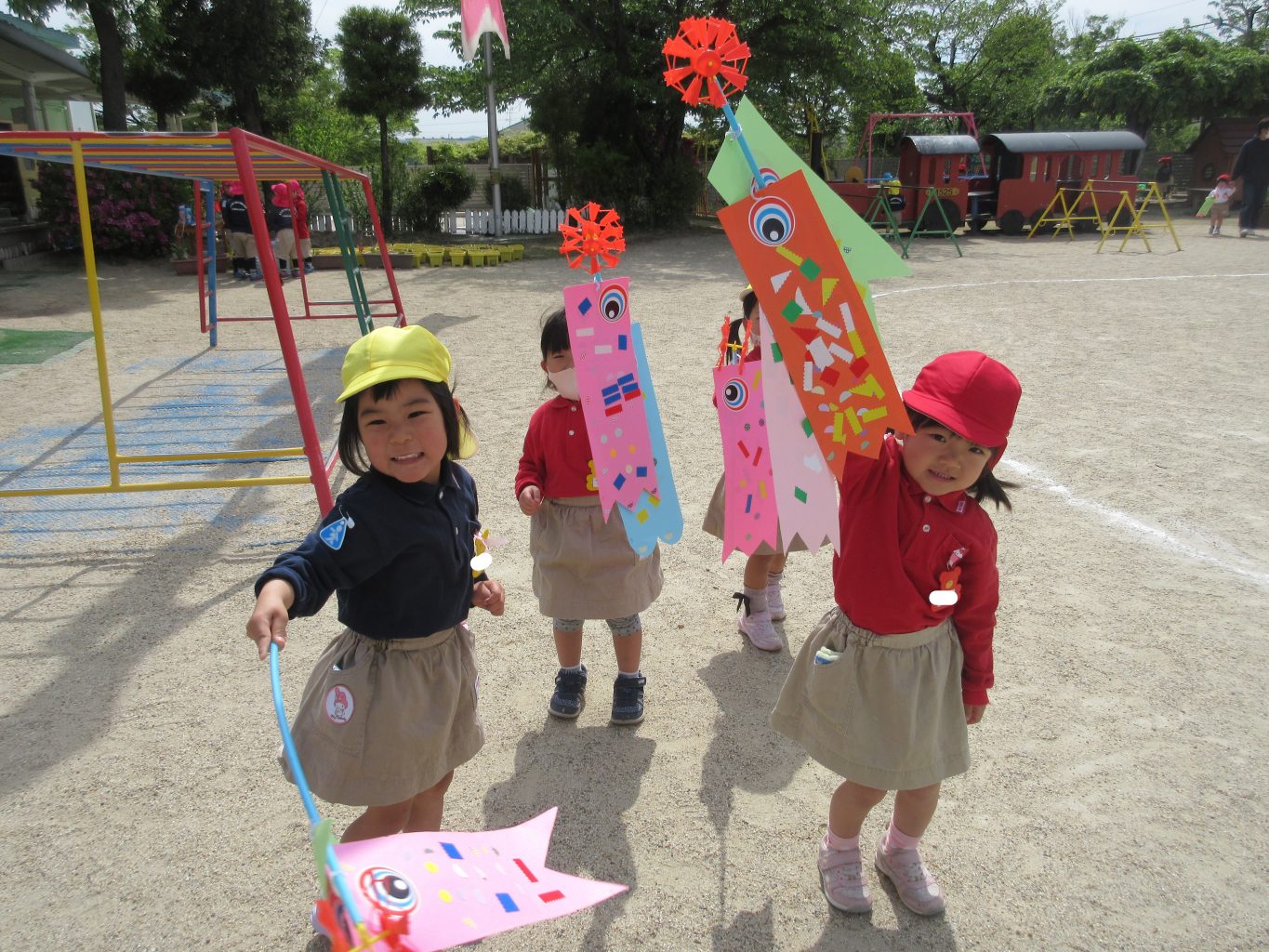
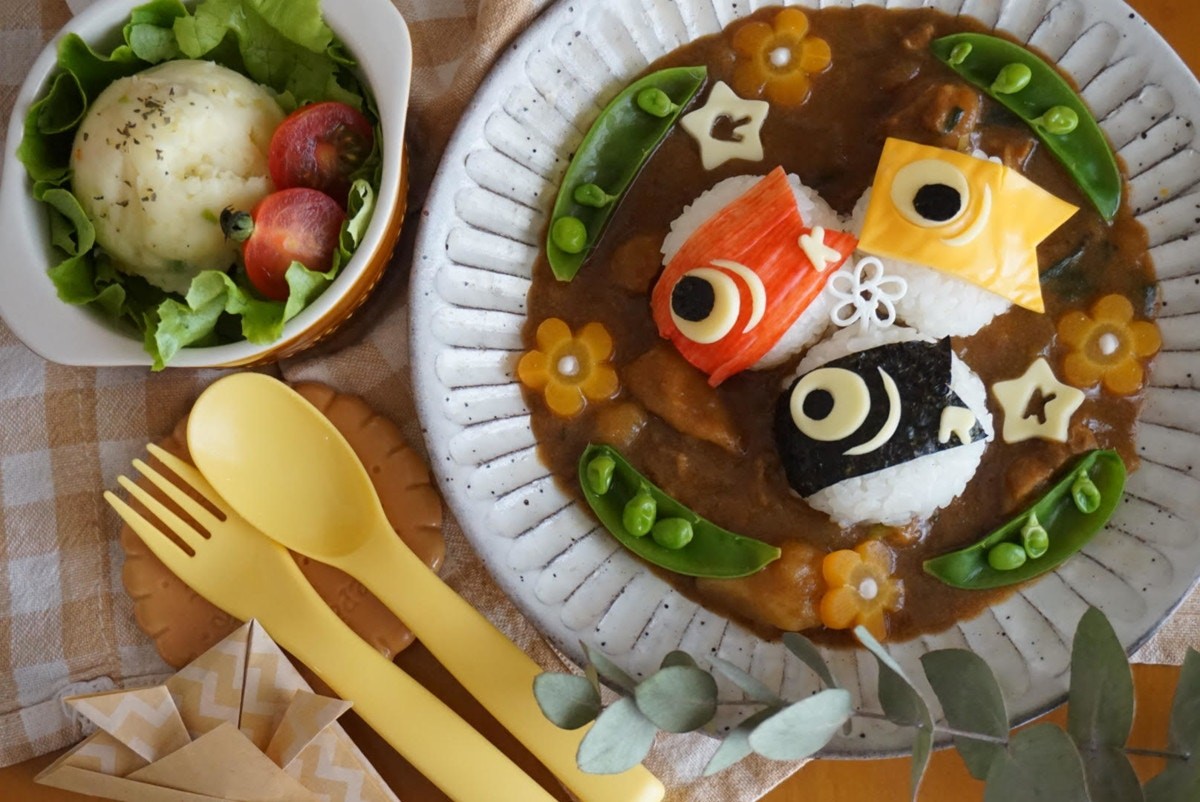
The Boys' Festival known in Japanese as Tango no Sekku is celebrated every year on May 5th. It has been an official national public holiday called Children's Day since 1948. Families pray for the health and future success of their sons by hanging carp streamers (koinobori) and displaying samurai dolls and helmets all symbolizing strength, power and success in life. It is also traditional to take an iris root bath (shobu-yu) to ward off illness and to celebrate with kashiwa mochi (oak leaf rice cakes) and chimaki (sweet rice dumplings). The oak leaf was chosen because it does not fall until a new bud grows in its place making it a beautiful symbol of family continuity and the flourishing of future generations.
The origins of Tango no Sekku date back to the Nara period (710-794 AD) when it was introduced from China as one of five seasonal purification festivals. It was not originally a festival for boys at all. It began as a purification ceremony held for all children regardless of gender. It was during the Edo period (1603-1868) as samurai culture spread throughout Japan that the festival gradually became associated with the celebration of boys and masculine strength. One of the most fascinating pieces of trivia is that the Japanese word for iris (菖蒲, shobu) is pronounced identically to a completely different word (尚武) meaning militarism and valour. This clever wordplay is the very reason the iris became the defining symbol of Boys' Day. The carp streamer has an equally rich origin rooted in a famous Chinese legend known as the Dragon Gate (登竜門) in which a carp fought its way up a raging waterfall and transformed into a dragon. It became the perfect symbol of perseverance, determination and the hope that children will overcome all challenges in life.


Girls' Festival (Hina Matsuri)
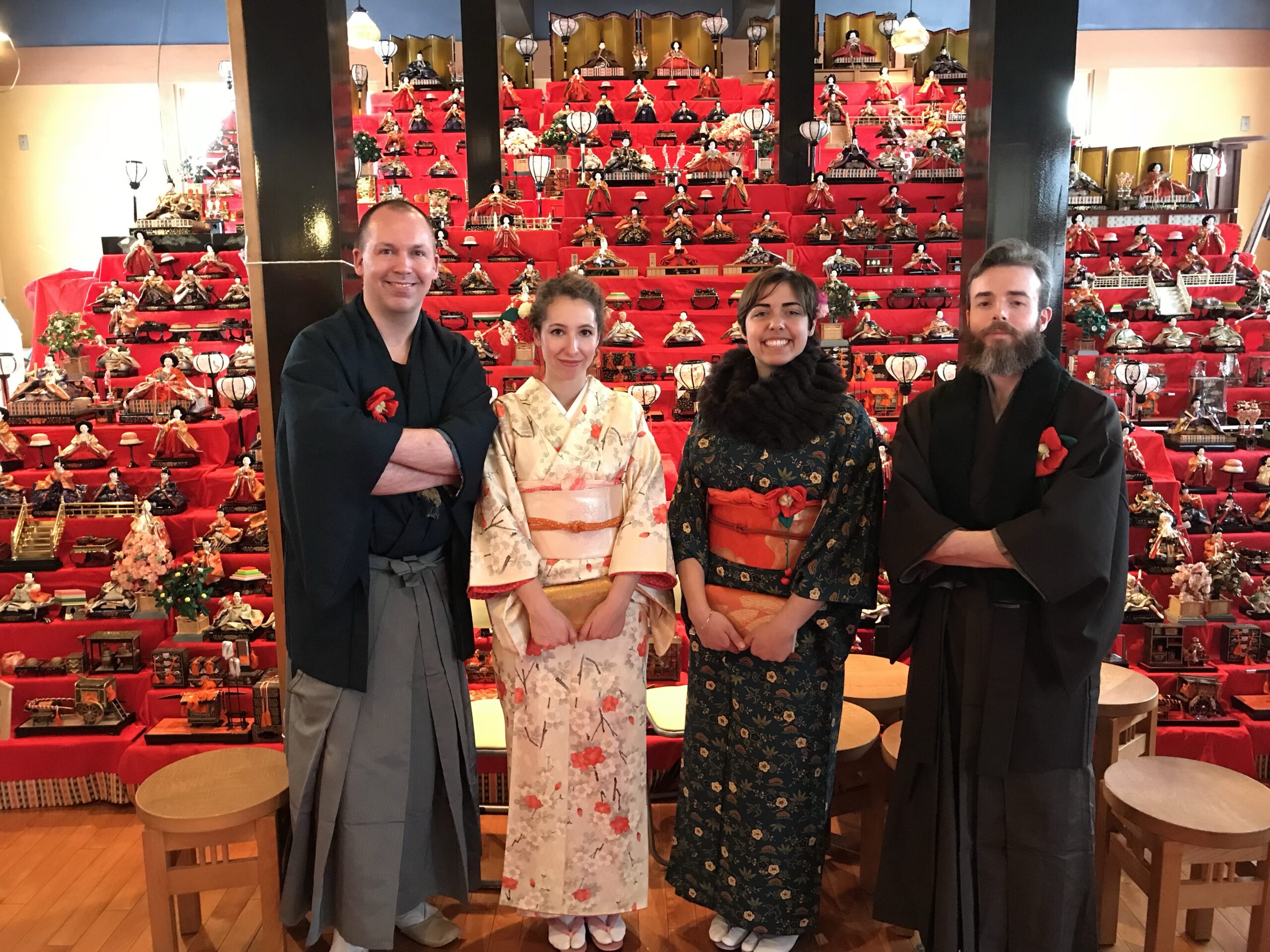
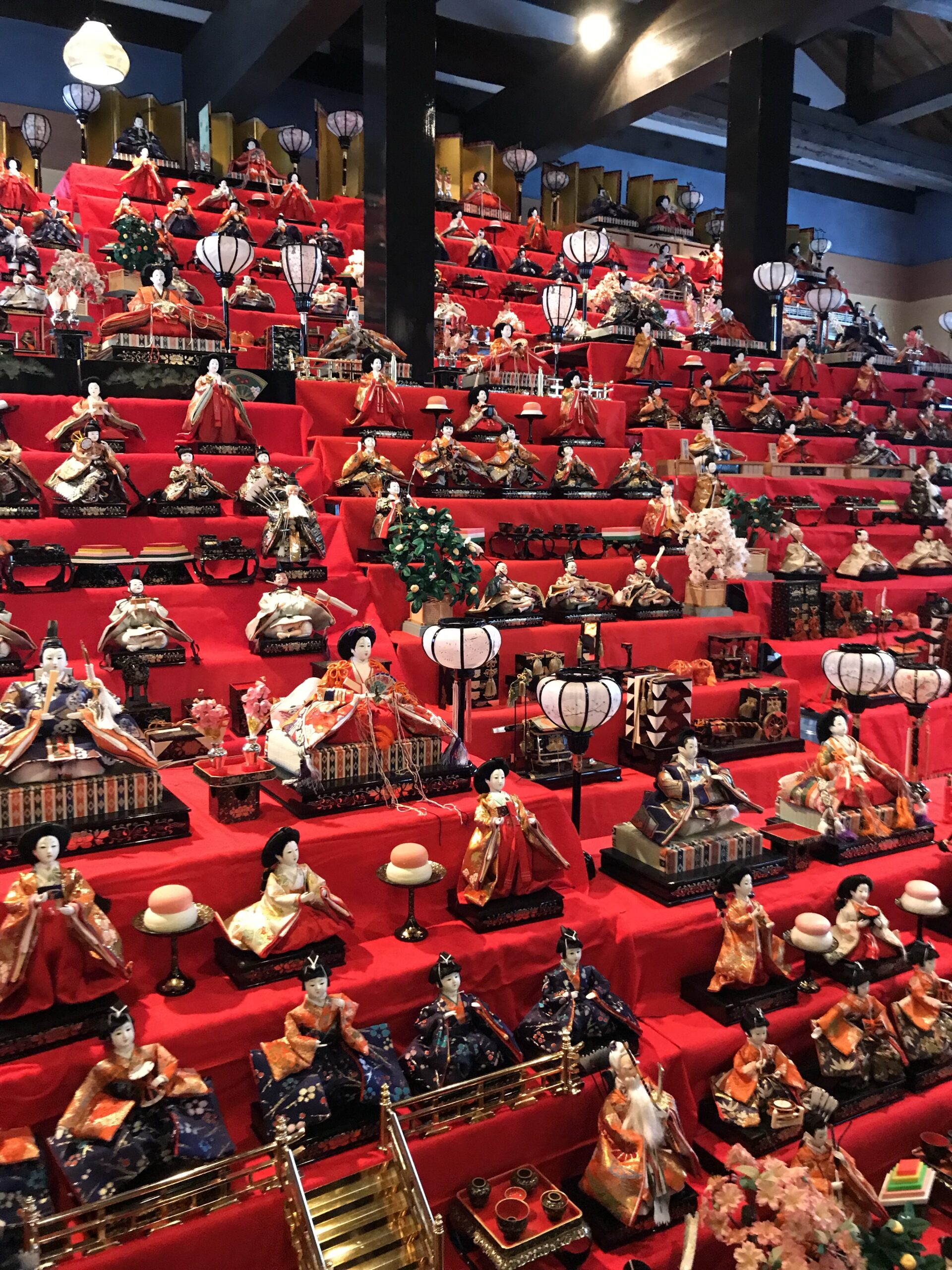
The Girls' Festival known as Hina Matsuri or the Peach Festival (Momo no Sekku) is celebrated every year on March 3rd. Families display elaborate tiered doll arrangements (hina ningyo) modeled on the imperial court of the Heian period praying for their daughters' healthy growth, happiness and good fortune in marriage. These dolls are believed to absorb evil spirits and take on any misfortune that might otherwise befall the girls of the household, a protective tradition cherished for over a thousand years. Families also display traditional foods including hishi mochi (diamond-shaped rice cakes), amazake (sweet low-alcohol rice wine) and hina arare (colored rice crackers). The three colors of hishi mochi are red, white and green symbolizing warding off evil, purity and good health respectively and beautifully marking the arrival of spring.
The origins of Hina Matsuri trace back to the Heian period (794-1185 AD) when it began as an aristocratic pastime called hina asobi meaning doll play enjoyed by the daughters of noble families. It gradually merged with a Chinese custom of placing paper dolls on rivers to carry away evil spirits, a practice known in Japan as Nagashi-bina or floating dolls. Over time these two traditions combined and evolved. By the Edo period the elaborate multi-tiered doll displays we recognize today had become widely popular across Japan. One of the most well-known pieces of trivia surrounding Hina Matsuri is the superstition that if the dolls are left on display after March 3rd the daughters of the household will be unlucky in love and face a delayed marriage. This gives families a very compelling reason to pack them away promptly. The peach blossom was chosen as the symbol of this festival because in ancient Chinese tradition the peach was considered a sacred fruit with the power to repel evil spirits. The Nagashi-bina tradition of floating dolls on rivers survives to this day in certain regions of Japan and is considered a cherished part of the country's living cultural heritage.
Places To Go Or Things To Do In Hokkaido In May


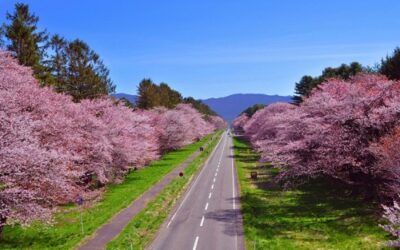
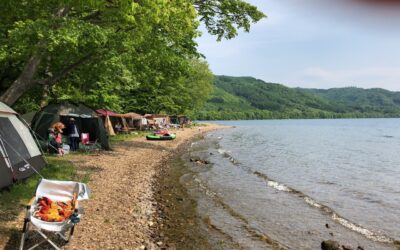

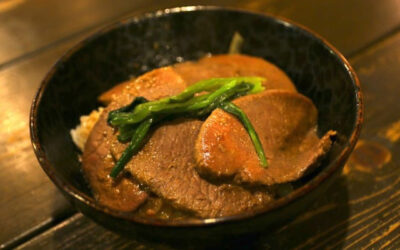
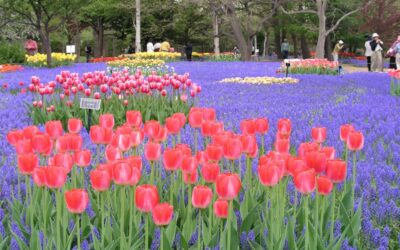

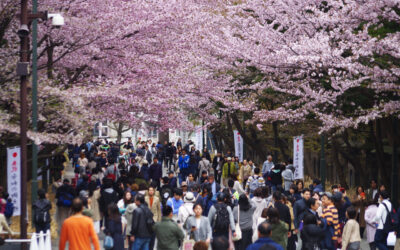


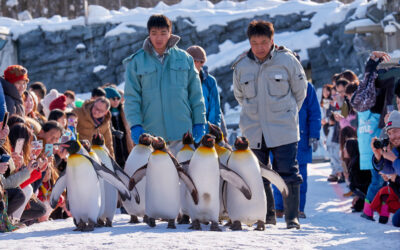

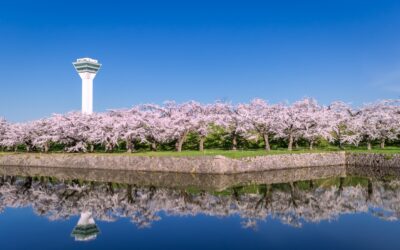
Sightseeing Around Hokkaido, Japan











ログインしているミートミー北海道ユーザーFor Logged In Meet Me Users
この機能を使用するにはログインしてください。Logged Out
 Contact Us
 Get Listed!
 Japanese
 Privacy Policy